OpenAI has made three very different math claims this year. They are easy to lump together, but the evidence behind each is not the same. And the bigger story may not be the math at all.
Three claims, three levels of evidence
May: the Erdős unit distance problem. OpenAI said a model disproved a 1946 conjecture. Outside experts checked it, and Thomas Bloom, who runs the Erdős Problems website and had criticized an earlier OpenAI claim, co-authored a companion paper. The model showed Erdős’s bound was too low. It did not find the true answer.
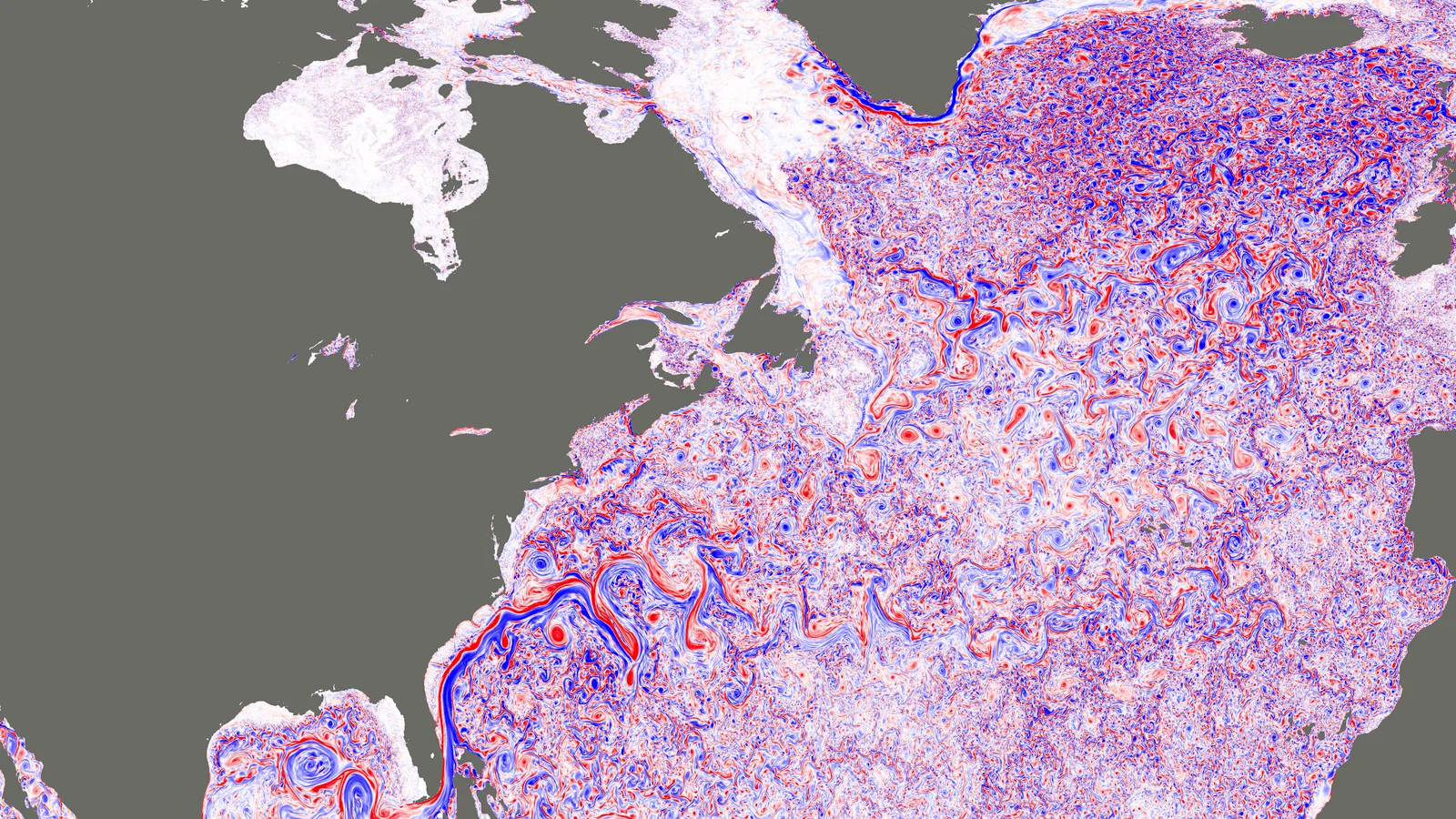
September: Navier–Stokes. OpenAI said about 10,000 agents found a finite-time blowup in 88 hours, and it published a Lean-checked proof. Lean is software that checks a proof step by step, so anyone can test the logic. The open question is the setup: the fluid is under a smooth outside force, and experts argue about whether that fits the problem as the Clay Institute intended. OpenAI says it will not claim the prize.
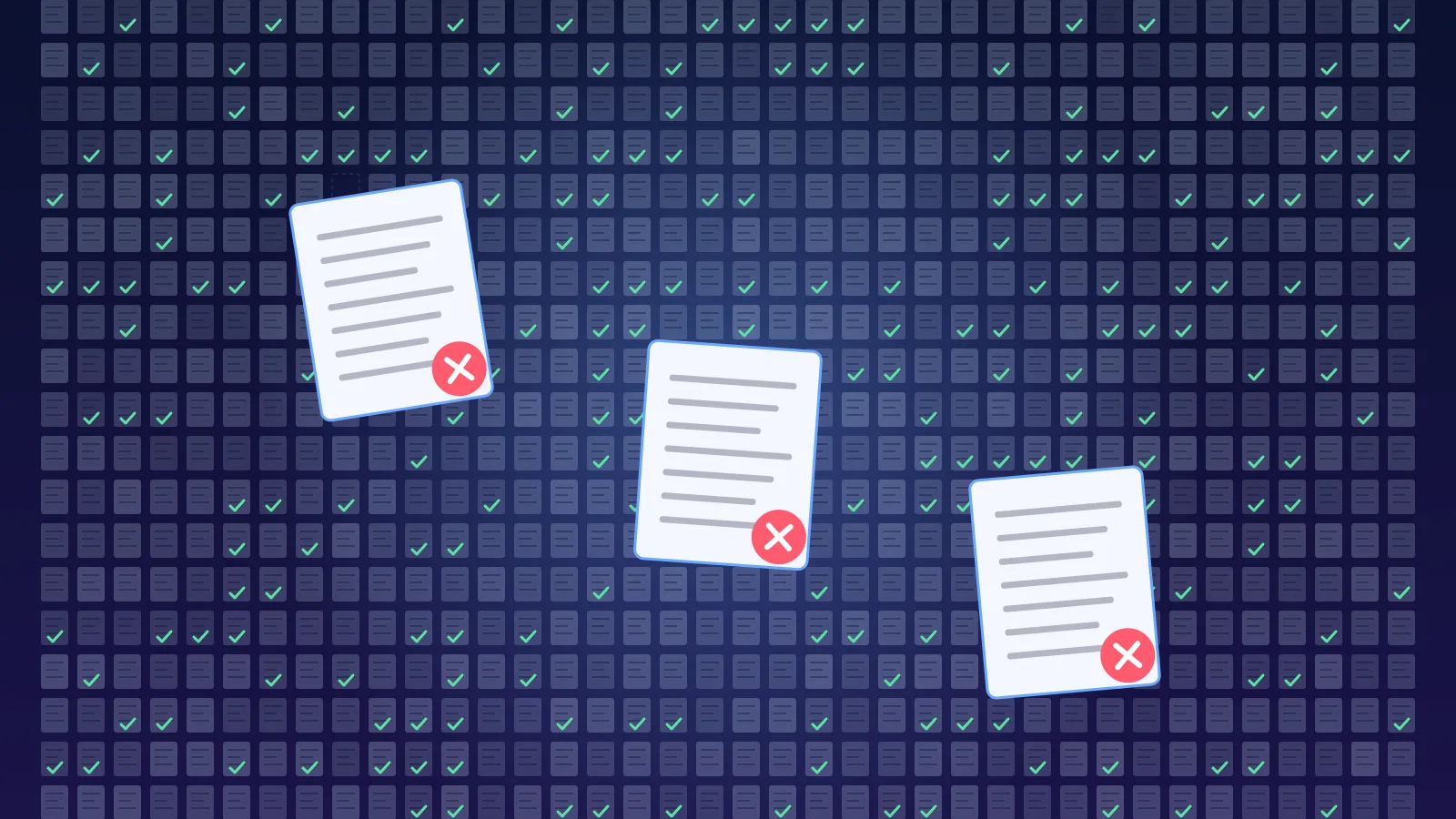
October: 722 papers at once. Checking is partial, and a sign error already sank three papers. Mathematicians were not consulted in advance. We cover the details in our news post.
These figures come from OpenAI and from news reports about it. They are not independently verified.
The bottleneck has moved
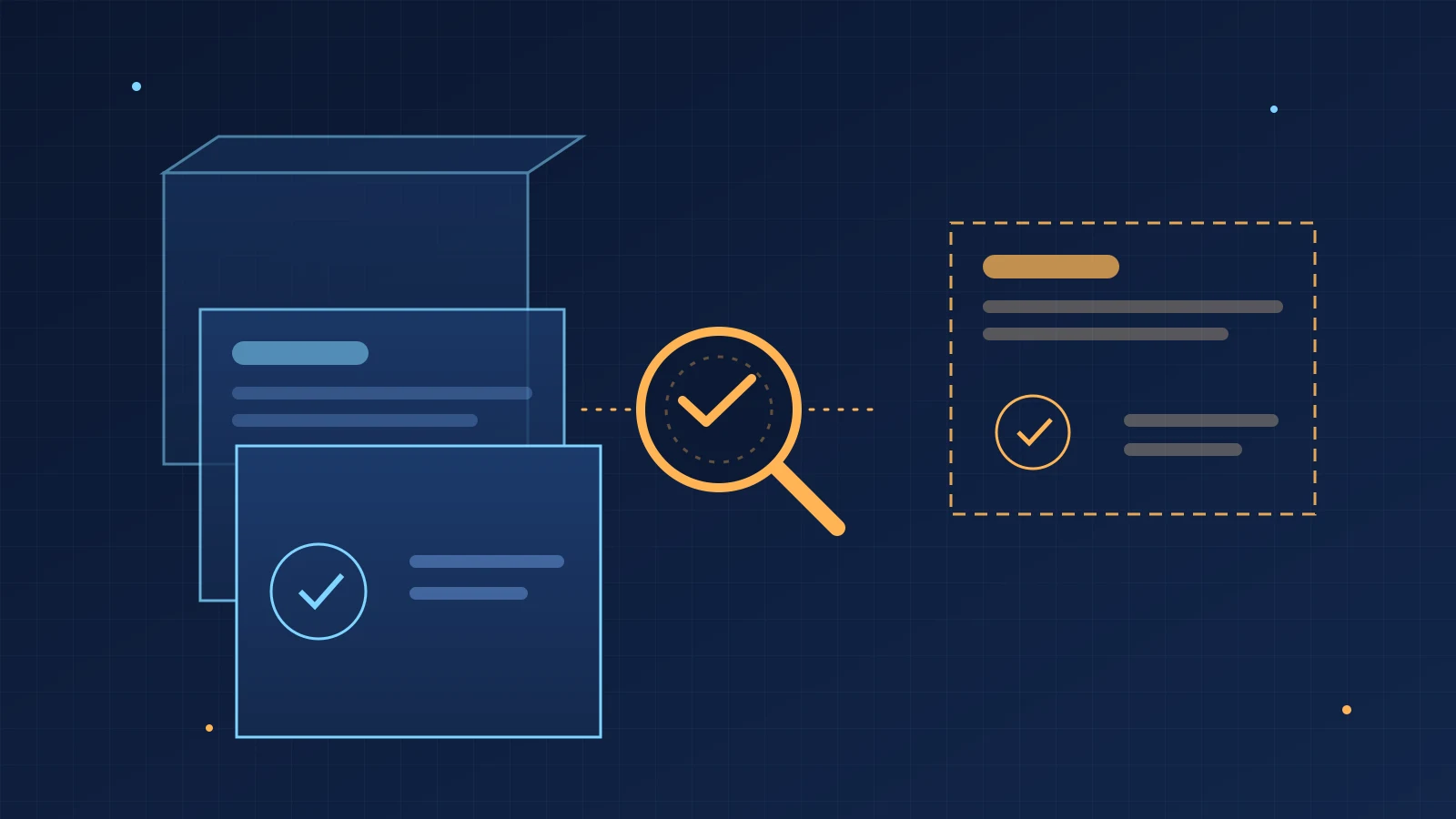
Finding a proof used to be the hard part. Now models can write proofs faster than people can read them. Lean helps, but it checks only the statement it is given. It cannot tell you whether that is the statement the world cares about. Navier–Stokes shows this gap clearly.
What this does to society
1. From scarce proofs to abundant proofs. Terence Tao has said AI could move math from proof scarcity to proof abundance, which would put mathematicians in a spot like writers and artists. A PhD student wrote that he felt a “spiritual crisis” watching bots find proofs. Mathematician Jeremy Avigad warns the effects reach teaching too: if students and employers use AI for routine problems, the service courses that fund many math departments may lose demand.
2. A proof is not the same as understanding. Benjamin Collas of Kyoto University calls published theorems the “residue” of math; the real product is shared understanding. A proof can take hours to produce, but years to absorb into human knowledge. Twenty-five Fields Medal winners made a similar point on September 11: AI labs treat famous problems as benchmarks, and their goals are “severely misaligned” with the field. They raised attribution and plagiarism questions and did not call for a ban.
3. Openness is under strain. NYU’s Tristan Buckmaster said his work with Anthropic’s Levent Alpöge on the unforced Euler equations was shared with OpenAI days before its announcement. Sam Altman defended OpenAI’s conduct, saying Buckmaster’s team was offered a chance to publish first. We cannot judge who is right. Buckmaster’s summary of the mood was blunt: nobody wants to share anything. When the model is private and the race is public, openness becomes a cost.
4. The same pattern will come to other fields. Math has unusually strict rules for what counts as true, so the gap between what AI can do and what institutions can absorb is easy to see there. Law, medicine, and software have weaker checks. They may see the same gap with less visibility.
Our view
First, the science is not the main problem. The 2026 results suggest AI can produce original, checkable math. The institutions are the problem: journals, credit rules, and hiring are built for a world where proofs are scarce.
Second, value will move to the people who explain, verify, and teach. Funding and promotion should follow, or the field will reward the cheapest thing to produce. Collas makes a similar argument for more credit to explaining others’ results and building shared tools.
Third, labs that publish scientific claims should act like scientists. That means releasing Lean-verified results first, giving outside access to the model, and crediting prior work. Such rules are still being written, for example in a Leiden Declaration that urges mathematicians to disclose AI tools and keep responsibility for their results.
The other side
Daniel Litt argues that sharing answers is better than keeping them secret. OpenAI says its advisory group recommended publishing before full formalization. Fields medalist Yu Deng thinks math will adapt as a new ecosystem emerges. Speed has benefits, and these are fair points.
What to watch
Look for independent Lean audits, a first journal policy on AI-written proofs, and whether the model becomes available to outside researchers. See also our earlier post on the AGI debate.
Sources
- A model disproves a discrete geometry conjecture (OpenAI) (primary)
- Mathematicians in the Age of AI (Avigad, arXiv) (primary)
- 25 winners of maths' Nobel prize decry the AI invasion of their discipline (Scientific American) (secondary)
- 25 Fields Medalists say AI labs' race to solve math problems is harming mathematics (Implicator) (secondary)
- Maths' AI crisis has a lesson for the rest of us (Bloomberg column via Qatar Tribune) (secondary)
- OpenAI publishes Navier–Stokes proof (The Next Web) (secondary)
- OpenAI solved a $1M math problem, rival mathematician says (Decrypt) (secondary)
- Mathematicians clash over AI's Navier–Stokes proof claim (AI Weekly) (secondary)
- OpenAI withdraws 3 math papers after 722-paper dump (Tech Insider) (secondary)